Table of Content
If you’re canning products with unknown pH as acid foods, they must be acidified to a pH of below 4.6 with lemon juice or citric acid. Although tomatoes usually are considered an acid food, some are now known to have pH values slightly above 4.6. When properly acidified, tomatoes and figs can be safely processed in a boiling-water bath. I found this site today that sells canning equipment commercially.

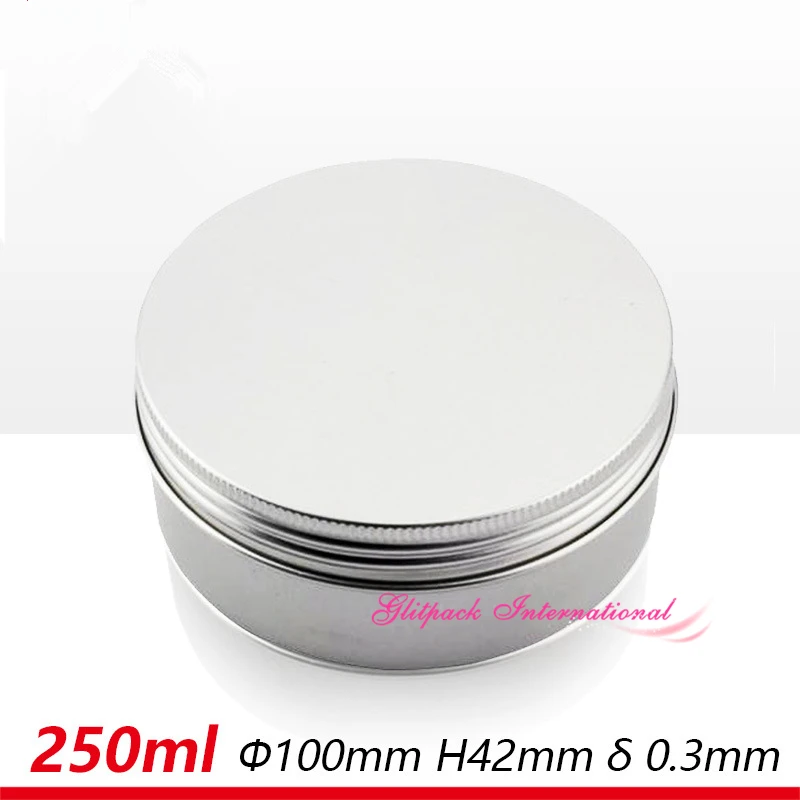
Electrolytic tinplate or electrolytic chromium/chromium oxide-coated steel, also known as tin-free steel, is used to make steel-containing cans. Although metal cans are widely used in the food canning industry, tin cans are a much better alternative. Canning can be a safe and personally rewarding way to preserve quality food at home. Canning special products to be enjoyed by family and friends often is a fulfilling experience and a source of pride for many people. Canning may not be the least expensive way of obtaining every type of food.
Cooling Cans in Home Production
Using metal cans makes your food look fresh and fun because of their unique design. That is why so many food manufacturers use them today. Lay the cans inside the pressure canner, then close the lid tightly. But there are ways New Jersey residents could shave dollars and cents off their heating bills.
Plastic is toxic, heavy and will take hundreds of years to break down. Using metal cans for food packaging ensures that your customers are getting their food from a sustainable source without making you pay an arm and a leg. Place the canner rack on the bottom of the canner.
Shaping up your sales with SCULPTURED METAL®
However, pre-heating can help keep the jars hot after filling. Atmospheric steam canning is an effective and safe method of food preservation when done properly by following research-based instructions. Follow the manufacturer’s instructions for treating them. Some need to be brought almost to a boil and then left in hot water, while others need to be boiled for a period of time. Assemble and wash equipment and containers before gathering fruits and vegetables.
See detailed instructions above in “Steps for Boiling Water Bath Methods”. Allow the proper headspace, according to processing directions for specific foods, in order to remove all the extra air during processing, and to form a tight vacuum seal. Home Canning is an important, safe method of food preservation if practiced properly.
What can I do if my jars don’t seal?
Wash all detoxified surfaces and discard the palstic gloves when the cleaning process is complete. Use paper towels to wipe the treated areas, and place them in a plastic bag before putting them in the trash. Allow the containers to cool and discard everything in the trash. With a canner placed on a stovetop, this is easy to control, but what happens with electric appliances during power surges or drops? Let the canner pressurize for the next 3 to 5 minutes. Home canning tins could be purchased lined or unlined.
Slowly turn the jar and move the spatula up and down to allow air bubbles to escape. Adjust the headspace and then clean the jar rim with a dampened paper towel. Place the lid, gasket down, onto the cleaned jar-sealing surface. Uncleaned jar-sealing surfaces may cause seal failures. To prepare lids, wash them with soapy water and keep at room temperature until ready to use. According to research done by Jarden Home Brands quality assurance team, preheating metal canning lids is not necessary.
Choose Metal Cans for Canning Foods, Always!
Jars that are going to be used for vegetables, meats, fruits, and thus, processed in a pressure canner, don’t need to be sterilized. The same applies to jars for fruits, tomatoes, and fermented or pickled foods that will be processed in a boiling water bath canner for more than 10 minutes. Set the jars of food on the rack in the canner so steam can flow around each jar. Fasten the canner lid so that no steam begins to escape except through the vent.
Check dial gauges for accuracy before use each year. Replace the gauge if it reads high by more than 1 pound at 5, 10, or 15 pounds of pressure. Low readings cause over-processing and may indicate that the accuracy of the gauge is unpredictable.
The canners on that site are All Americans but any home canner would work. Maybe it is possible to can actual cans in an All American brand pressure canner. Guess the main reason is that while you have to buy new lids, you can reuse the jar and rings over and over again. Metal cans offer significant advantages over glass containers. They’re lighter in weight, keep carbonation well, resist rust, denting, abrasion, pitting, and do not break when dropped or handled roughly.

Add sugar substitutes, if desired, when serving. Fruits, pickles, jellies and jams are processed in boiling water canners. The canner should be deep enough to allow at least 1 to 2 inches of water to boil over the jar tops. It must have a tight-fitting lid and a rack to keep jars off its bottom. All jams, jellies and pickled products processed 10 minutes or less should be filled into sterile empty jars.
Warm rooms not only encourage buyers to stay longer but also evoke a feeling of coziness and a positive association with the property. Consider lighting a fire if the house has a fireplace. Chandler suggested having a football game playing on the television or cartoons on for the kids. “It’s important for people to be able to imagine themselves in the house,” she said.

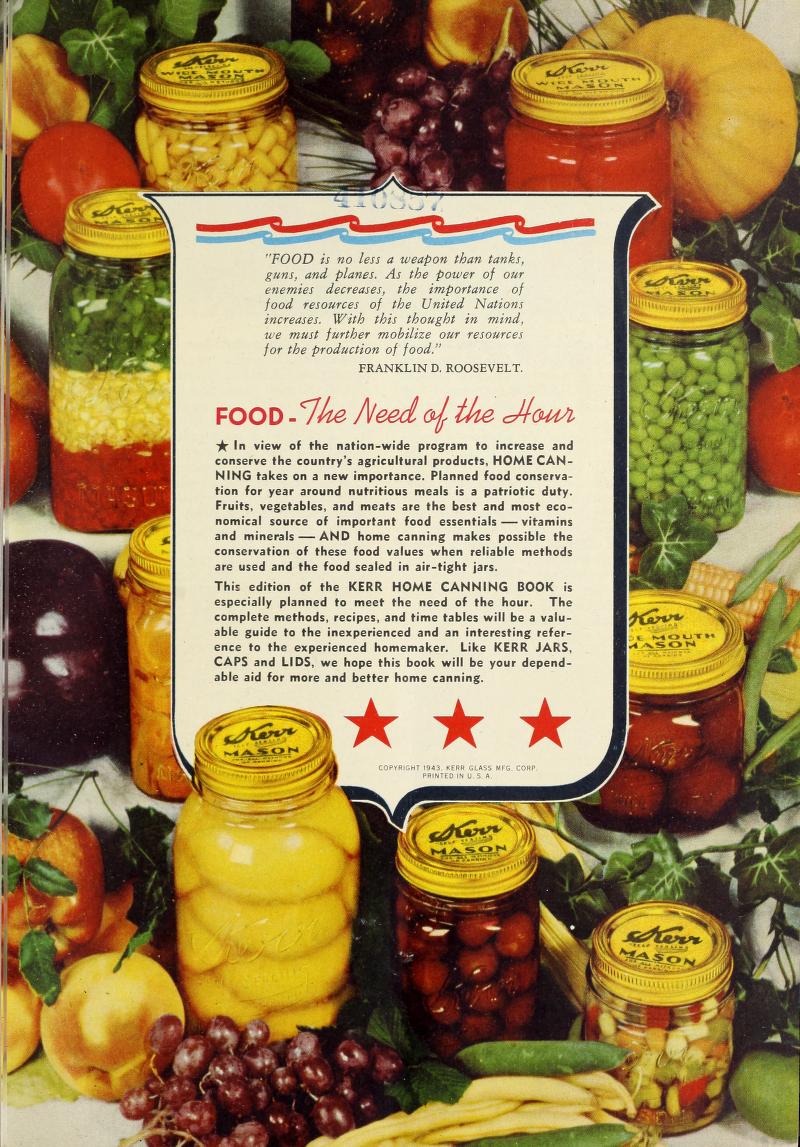
Mason jars designed for use in home canning ensure a safe product and no breakage during processing. Follow the manufacturer's guidelines enclosed with or on the box for tightening the jar lids properly.Do not re-tighten lids after processing jars. As jars cool, the contents in the jar contract, pulling the self-sealing lid firmly against the jar to form a high vacuum. If rings are too loose, liquid may escape from jars during processing, and seals may fail.
Save the hot water for processing filled jars. Pressure canners for home use have been extensively redesigned in recent years. Models made before the 1970s were heavy walled kettles with clamp-on or turn-on lids. They were fitted with a dial gauge, a vent port in the form of a petcock or counterweight, and a safety fuse.




No comments:
Post a Comment